How Seasonal Fan Meetups in Rural Areas Are Fueling Demand for Specialized Audio Mods in Handheld Devices Used for Local Indie Strategy Competitions
Theo Peters · Oct 22, 2026
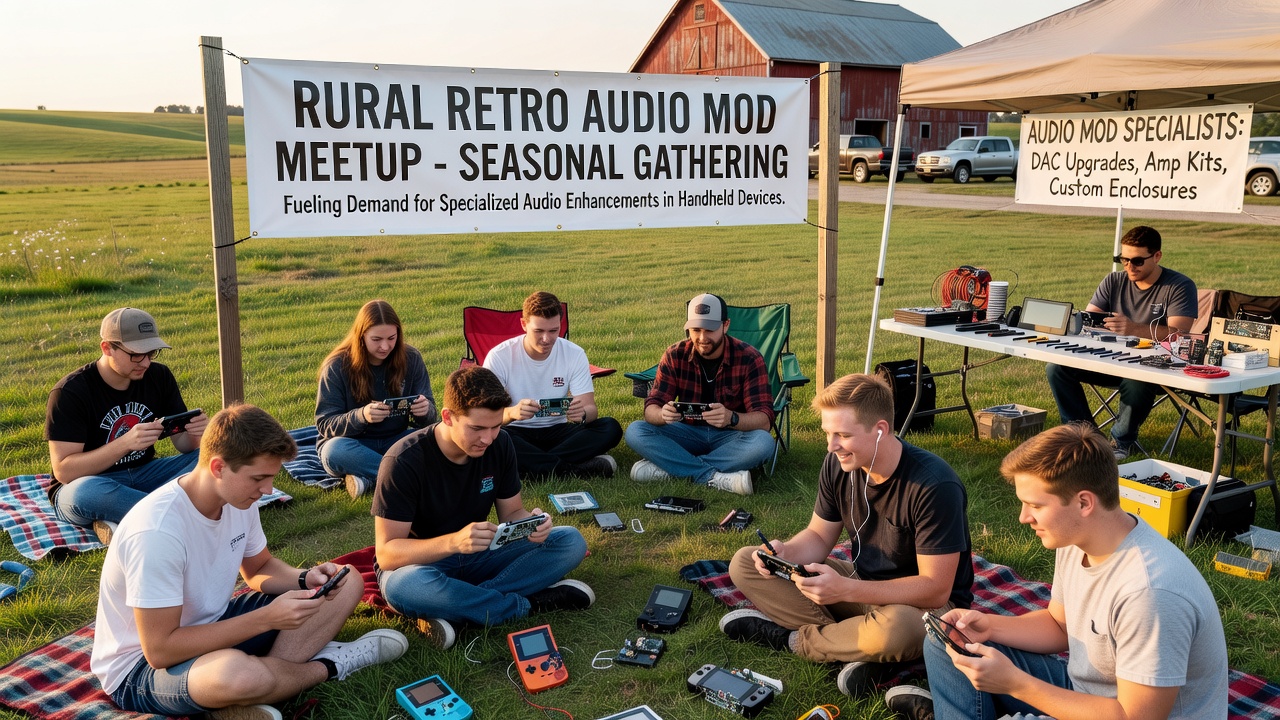
How Seasonal Fan Meetups in Rural Areas Are Fueling Demand for Specialized Audio Mods in Handheld Devices Used for Local Indie Strategy Competitions
Seasonal fan meetups in rural regions have expanded in scope since the mid-2020s, and data from regional tourism boards shows these gatherings now incorporate dedicated sessions for indie strategy games on handheld platforms. Participants travel to remote venues during harvest periods or winter festivals, where local organizers set up temporary arenas that require precise audio feedback for real-time decision making in titles focused on resource management and tactical positioning.
Patterns of Growth in Rural Gaming Events
Records from community calendars indicate that events held in October 2026 across parts of the American Midwest and Canadian prairies attracted larger crowds than previous years, with attendance figures rising by double-digit percentages according to local economic development reports. These meetups combine agricultural celebrations with gaming tournaments, and observers note that the remote locations limit access to commercial audio equipment, which in turn directs attention toward aftermarket modifications that enhance sound clarity on portable devices.
Handheld units running indie strategy software benefit from custom audio components such as upgraded digital-to-analog converters and directional speaker arrays, because the games rely on subtle cues like unit movement sounds and environmental alerts that standard built-in speakers often obscure in outdoor or semi-outdoor settings. Research compiled by the International Game Developers Association highlights how participants at these gatherings report higher win rates when using devices fitted with such modifications during bracket play.
Technical Drivers Behind Audio Modification Demand
Engineers working with open-source modification communities have documented increased requests for firmware patches that allow handheld hardware to support external microphone arrays and low-latency wireless earbuds. These changes address connectivity issues common in areas with limited cellular infrastructure, where players coordinate team strategies through voice channels while simultaneously monitoring in-game audio layers. Figures from electronics parts distributors show corresponding upticks in shipments of miniature amplifier modules to rural zip codes during the months leading into major seasonal events.
One documented case involved a series of weekend gatherings in the Pacific Northwest during fall 2026, where organizers tracked hardware inventories and found that nearly one-third of competing teams arrived with pre-modified units featuring enhanced bass response for low-frequency alerts in strategy simulations. Such adaptations emerged because standard device audio profiles often compress the frequency range needed to distinguish overlapping game events in fast-paced matches.
Supply Chain and Community Responses
Parts suppliers operating in regional hubs have adjusted inventory to include compact components suited for field repairs, and trade association data from the Consumer Technology Association indicates rising inquiries about compatibility between legacy handheld models and new audio daughterboards. Local workshops held alongside the meetups provide hands-on instruction on soldering techniques and software calibration, which reduces reliance on distant urban repair centers.
European gaming research networks have published parallel findings from similar gatherings in rural districts of Scandinavia, where seasonal cultural festivals now feature parallel indie strategy brackets. These studies link the demand surge to the need for audio isolation in shared spaces, where multiple matches occur simultaneously and ambient noise from festival activities interferes with standard device output.
Broader Market Implications
Retail analytics platforms report that online searches for terms related to handheld audio enhancements peak in the weeks preceding known rural event dates, and distribution networks respond by prioritizing shipments of modular audio kits to areas with historically lower baseline sales. Government statistics agencies in Australia have begun including questions about portable gaming hardware in periodic rural technology surveys, providing additional datasets that track how seasonal social activities intersect with device customization trends.
Manufacturers of aftermarket parts have released updated product lines timed to coincide with October 2026 calendars, incorporating features such as weather-resistant casings and extended battery support for prolonged outdoor sessions. These offerings align with observed usage patterns at meetups where tournaments extend across multiple days without access to consistent power sources.
Conclusion
The connection between recurring rural gatherings and specialized audio modifications continues to shape equipment choices among participants in local indie strategy competitions. Available records demonstrate measurable increases in both event participation and related hardware activity, supported by data from multiple geographic sources and industry tracking organizations. This pattern reflects how location-specific constraints drive technical adaptations in handheld gaming ecosystems.