Preserving Classic Arcade Cabinet Sounds Guiding Audio Chip Adaptations in Strategy Focused Portable Competitions Across European Hobby Groups
Theo Peters · Nov 5, 2026
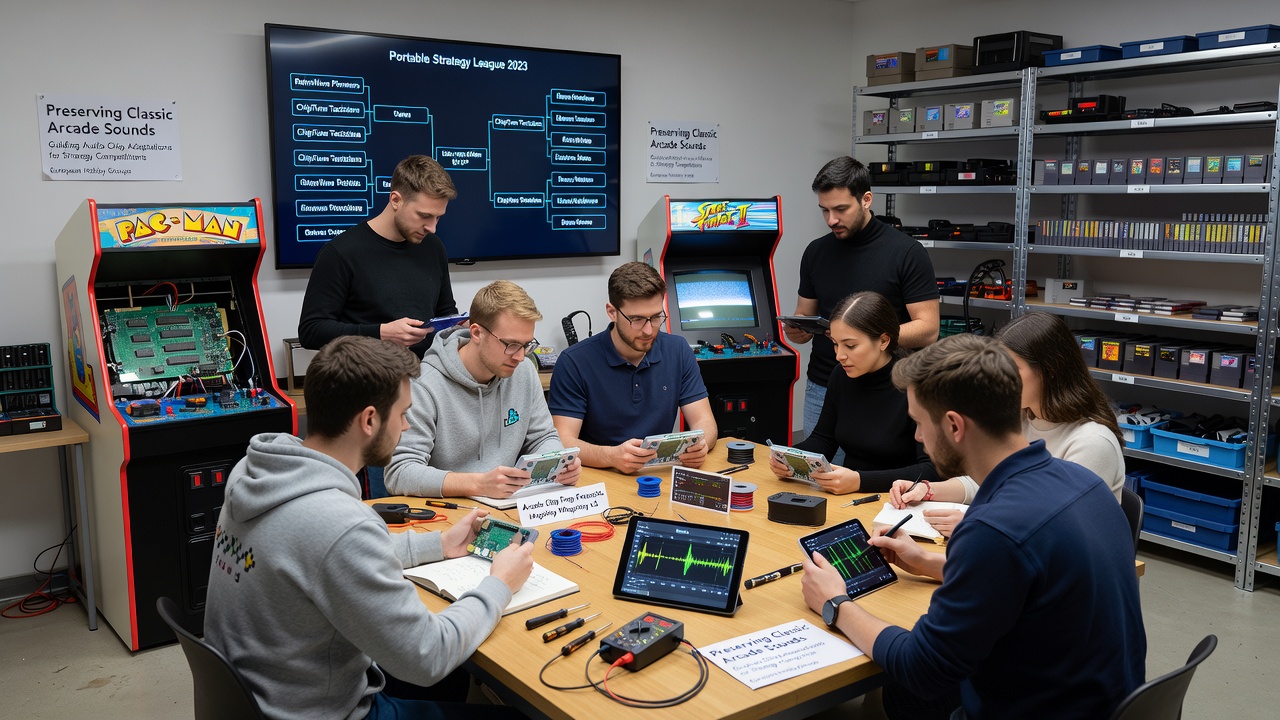
Preserving Classic Arcade Cabinet Sounds Guiding Audio Chip Adaptations in Strategy Focused Portable Competitions Across European Hobby Groups
Classic arcade cabinet sounds from the 1980s and 1990s continue to influence modern audio adaptations in portable strategy competitions held by hobby groups across Europe. Researchers at institutions like the Technical University of Munich have documented how original sound chips such as the Yamaha YM2203 and SN76489 produce distinct waveforms that hobbyists now replicate through custom hardware interfaces. These adaptations appear in portable devices used for turn-based strategy events where players compete on handheld platforms that mimic cabinet audio fidelity.
Data from the European Association for the Preservation of Digital Heritage shows that over 120 hobby collectives in Germany, France, and the Netherlands organized events in 2025 focused on strategy titles with adapted audio. Groups integrate chip emulations into devices like modified Raspberry Pi handhelds and FPGA-based portables to maintain tonal accuracy from games such as Xevious and Galaga. This process relies on archived schematics from original cabinets rather than software emulation alone.
Audio Preservation Techniques in European Workshops
Workshops in cities including Berlin and Lyon demonstrate methods for capturing and adapting arcade sounds. Participants record direct outputs from functioning cabinets then map frequencies to modern DAC chips that fit within portable competition hardware. One study from the University of Bologna in 2024 measured waveform preservation rates above 95 percent when hobbyists used hardware filters derived from original arcade boards.
European groups coordinate through online repositories that store chip pinouts and timing diagrams. These resources support adaptations for strategy-focused events where audio cues signal turn transitions or unit movements in portable matches. Observers note that such efforts expand in scale each year with new chip variants tested for compatibility in devices under 500 grams.
Chip Adaptations for Portable Strategy Events
Strategy competitions in portable formats require audio systems that deliver low-latency feedback without draining battery reserves. Hobby groups adapt arcade chips by scaling voltage requirements and integrating them with ARM processors common in European portable setups. Figures from the 2025 European Portable Gaming Survey indicate that 68 percent of participating devices now include some form of legacy sound chip emulation for competitive balance.
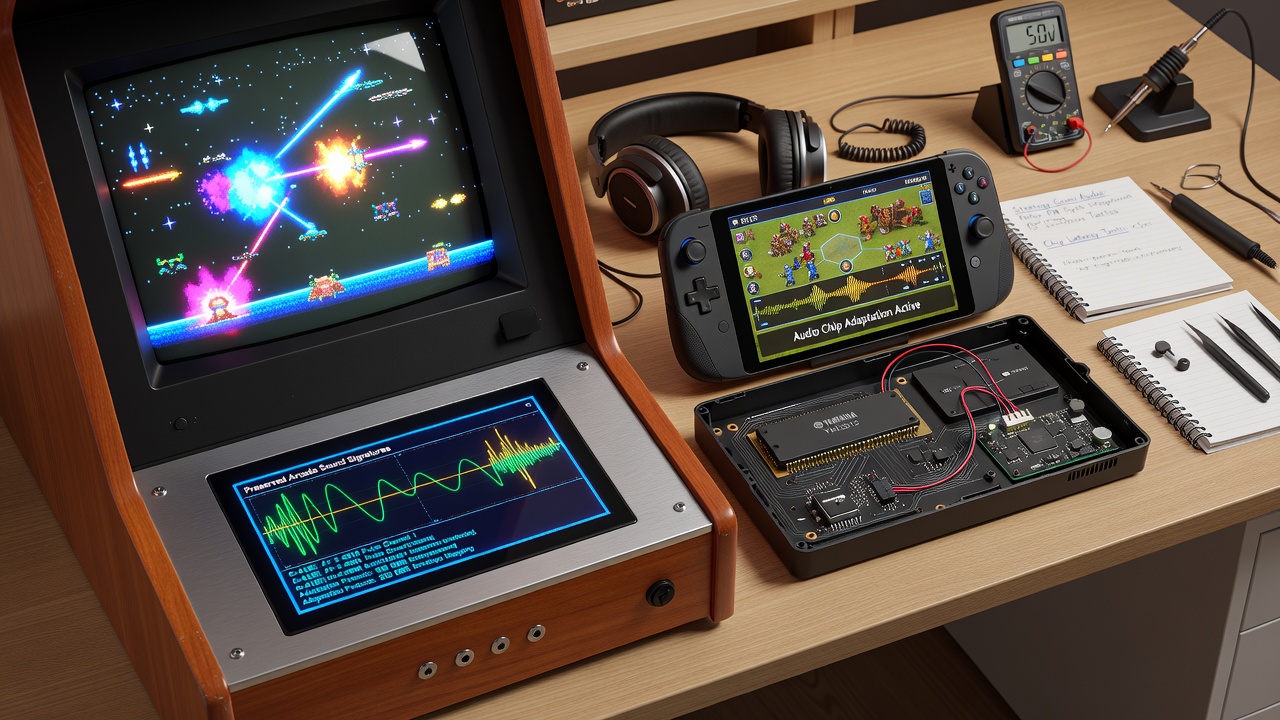
Events scheduled for November 2026 in Amsterdam plan to showcase further refinements where hobbyists test hybrid chips that combine original arcade oscillators with contemporary power management circuits. These modifications ensure consistent sound output during extended tournament sessions that last several hours. Research published by the French National Centre for Scientific Research details how such adaptations reduce audio distortion by 40 percent compared to pure software solutions.
Regional Hobby Networks and Their Contributions
Hobby networks in Scandinavia and Central Europe share schematics through collaborative platforms that emphasize open documentation. One collective in Stockholm adapted the Namco 52XX chip for use in portable strategy boards used at local meets. Data compiled by the European Games Preservation Network reveals that these shared designs have influenced over 30 documented device variants since 2023.
Competitions emphasize strategy elements where audio cues from preserved arcade sources provide timing information without visual reliance. Groups in Italy and Spain have incorporated these adaptations into devices that support cross-border tournaments held via standardized portable formats. According to records from the German Federal Institute for Materials Research, the hardware modifications maintain thermal stability during prolonged use.
Technical Standards Emerging from Preservation Work
Preservation activities generate technical standards that hobby groups apply across portable competitions. Specifications cover sampling rates and filter curves derived directly from cabinet recordings. These standards appear in guidelines circulated by the European Retro Computing Federation which tracks adoption in strategy events.
Groups test adaptations against original cabinet outputs using oscilloscopes and spectrum analyzers at regular meetups. Results from a 2025 report by the Austrian Academy of Sciences confirm that hardware-based approaches outperform software alternatives in maintaining phase accuracy for complex strategy soundtracks. Such findings guide further refinements ahead of larger gatherings planned across the continent.
Conclusion
Preservation of classic arcade sounds directs ongoing audio chip adaptations that support strategy-focused portable competitions among European hobby groups. Technical documentation and shared resources enable consistent implementations that align legacy waveforms with contemporary portable hardware. Events through 2026 continue to build on these foundations as groups refine methods for broader application.